What happens after handover: maintaining and futureproofing a KNX installation
How a KNX installation is serviced, reprogrammed, and extended over the life of the building, and why the open standard protects the operator's investment.
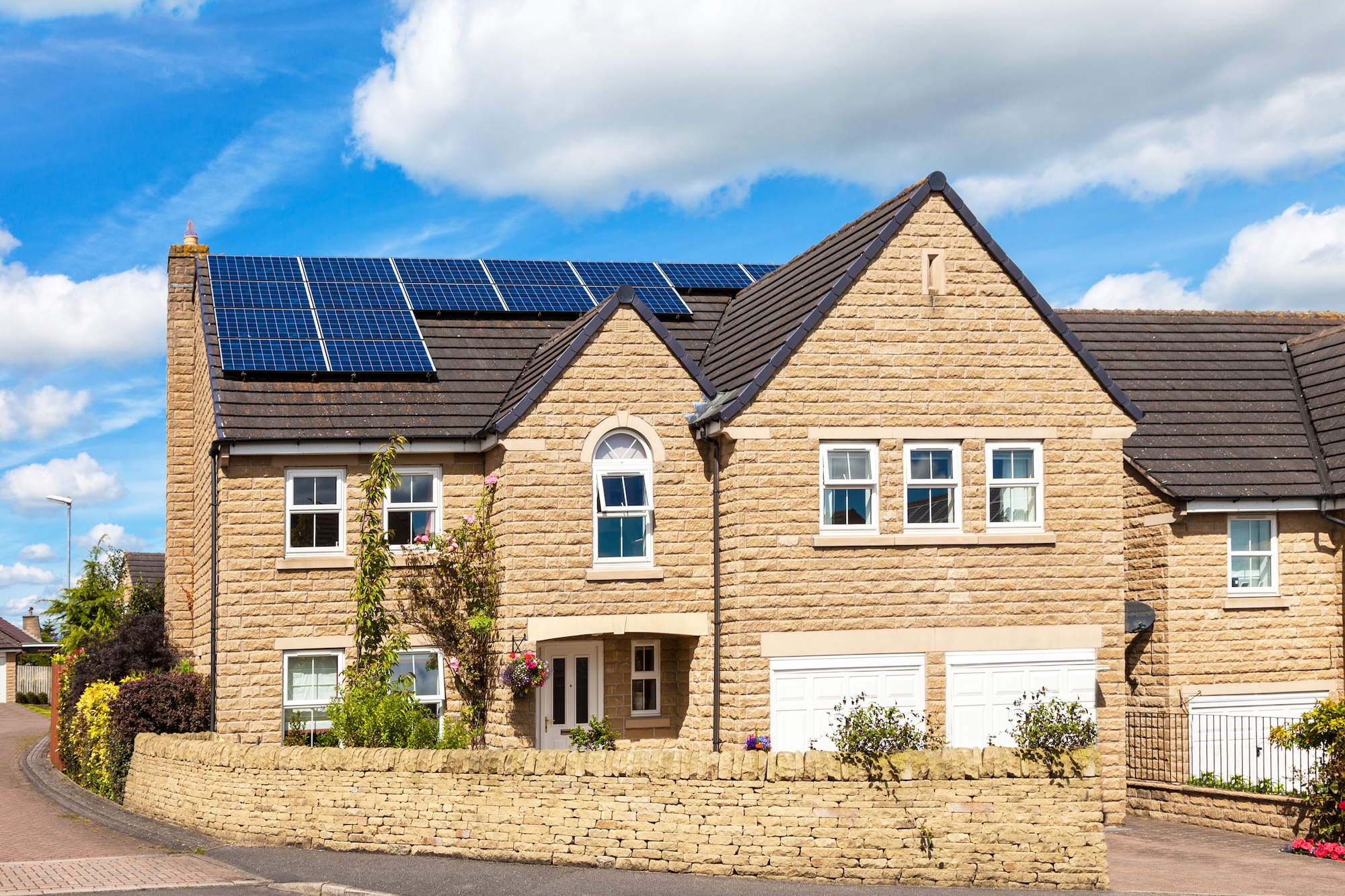
Most automation specification conversations focus on install. The larger question, for a developer or operator, is what happens across the 20 to 30 years after handover. A building is a long-hold asset. The automation inside it should be too.
This post walks through how a KNX installation is serviced, reprogrammed, and extended across the life of the building, and why the open-standard protocol makes those lifecycle activities easier and cheaper than they would be on a proprietary platform.
Servicing on an open standard
KNX is an international open standard maintained by the KNX Association. Integrators are certified against that standard. Any KNX-certified integrator can service any KNX system.
That has practical consequences for the operator:
- The original integrator is one servicing option among many
- Maintenance can be competitively tendered
- Regional coverage across the UK and EMEA gives portability across a portfolio
- A change of integrator does not require a system change
The operator holds the system. The integrator holds the relationship.
Reprogramming as operational needs change
Buildings run differently five years after handover than they did on day one. New tenants shift usage. Fit-outs change floor layouts. Operating hours move. Sustainability targets tighten. Care models evolve. Booking platforms change.
On a KNX system, most of those changes happen in programming. New scenes, schedules, integrations, and logic are added in software against the existing hardware.
The programming file is portable. The operator holds an ETS project file (the KNX programming environment) as part of the as-installed documentation. Any certified integrator can pick it up, understand what is there, and modify it.
Adding devices years later
A KNX system installed in 2026 accepts KNX-certified devices manufactured in 2036, 2046, and beyond, as long as the KNX standard continues to be published. It has continued to be published since the mid-1990s.
The practical implication is that new sensors, new zones, new integrations, and new capabilities can be added to the existing system without ripping out infrastructure. A later living operator can add resident monitoring in year eight. A BTR operator can add EV charging management in year five. A super-prime homeowner can extend the system into a new outbuilding in year 12.
Each addition attaches to the existing bus, follows the existing programming conventions, and is documented into the existing project file.
What happens when a supplier disappears
This is the lifecycle risk that separates open and proprietary platforms most sharply.
Three events cause serious lifecycle problems on a proprietary automation platform:
- The manufacturer discontinues the product line or is acquired and the roadmap changes
- The authorised dealer network in the region contracts, leaving no local service provider
- The manufacturer exits the market entirely
Any of those triggers a partial or full rebuild, on the manufacturer’s or acquirer’s terms.
The open-standard model handles each event differently. The KNX standard is maintained by the KNX Association independently of any commercial party. More than 500 certified manufacturers make devices. Independent integrators service the system across every major market. A manufacturer exit affects one supplier of parts, and the operator’s ability to run the building is unaffected.
For a long-hold asset, this is the value of the open standard.
Aftercare inside the engagement
A Baulogic Bespoke engagement includes aftercare from the start. In practice, that covers:
- Response times and escalation paths for faults
- Scheduled system reviews (typically annual on complex sites)
- Firmware and software updates for KNX interfaces and gateways
- Programming updates as the operator’s use of the building evolves
- Support to the operator’s own facilities or IT team where relevant
- Documentation updates so the as-installed record stays current
Aftercare is written into the engagement at proposal stage, agreed before commissioning, and continues after handover. Maintenance runs continuously from proposal stage through the life of the building.
Reviewing the system at intervals
A KNX system benefits from scheduled reviews across its life. On the typical review, the integrator:
- Checks device health across the bus (fault logs, offline devices, drift)
- Reviews programming for changes the operator has requested informally
- Updates firmware on network-connected components
- Verifies integrations with third-party systems that may have updated
- Tunes energy control against the latest sub-metering data
- Updates the ETS project file and the as-installed documentation
For a portfolio operator, portfolio-wide reviews are one visit that produces one report across every site.
What to specify at handover
For a developer or operator thinking past practical completion, the specification points that make lifecycle activity easier:
- ETS project file (fully commented) issued as part of the as-installed documentation
- As-installed drawings, schedules, and integration matrix issued to the same standard
- Aftercare agreement in place before commissioning, with response times, review cadence, and change-request process defined
- Named integrator contact and escalation path documented
- Access credentials and system topology handed to the operator at handover
- Provision in the maintenance package for programming updates as operational needs evolve
A building specified this way runs the automation as its owner needs it to run at handover, at five years, at 15 years, and beyond. The open protocol makes that possible. The engagement structure makes it happen.